
Our Artists
Each artist brings a distinct voice, material language, and lived experience to the conversation. Together, their works explore themes of memory, identity, belonging, transformation, and the stories we carry through life.
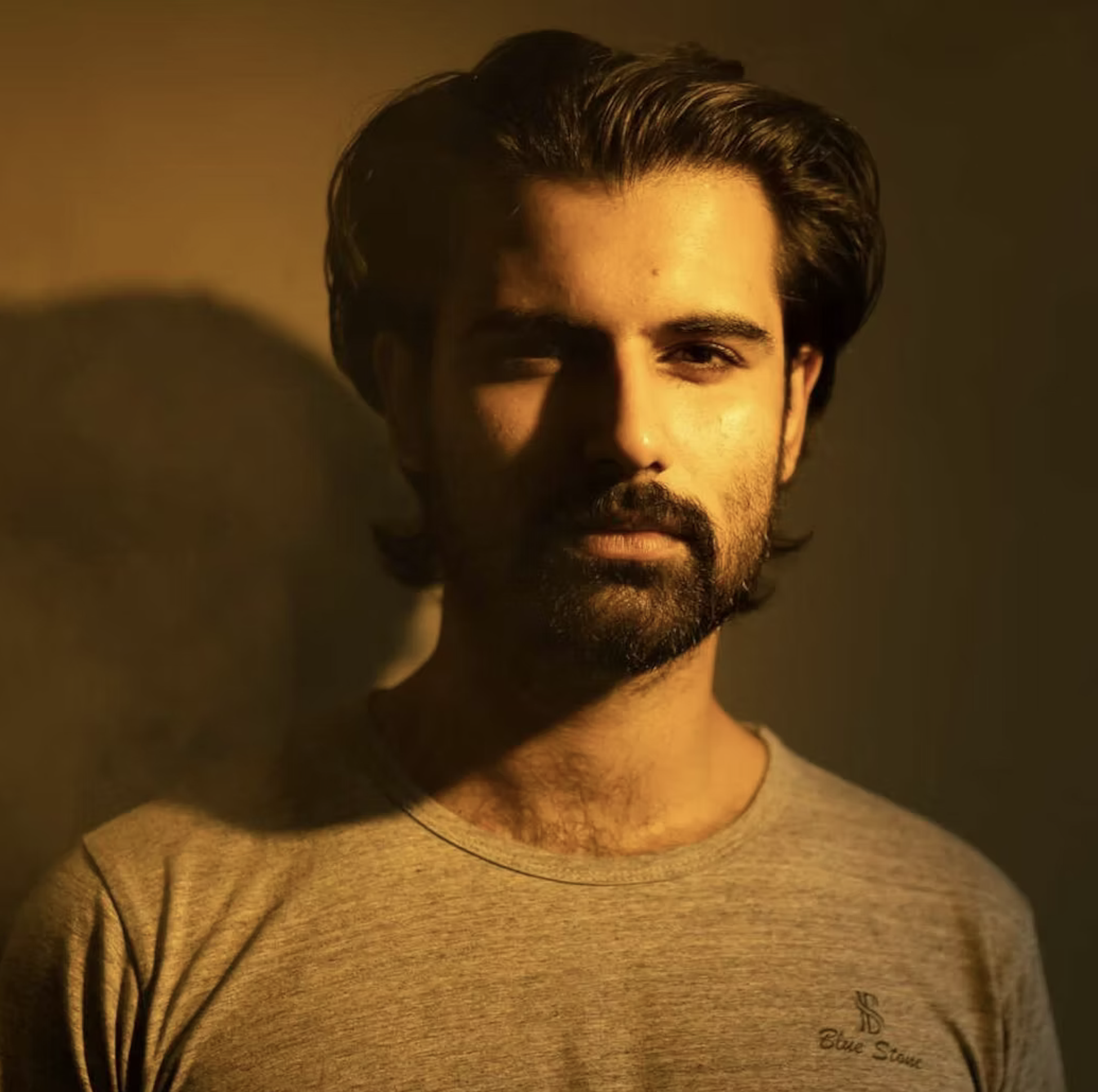
Jibran Shahid
Jibran Shahid is a Pakistani visual artist working across sculpture, painting, and drawing. His practice explores memory, mythology, and transformation through hybrid forms that merge the body with symbolic narrative.
Drawing on South Asian visual traditions, miniature painting, and historical craft practices, Shahid creates works that exist between the ancient and the contemporary. Blending sculptural form with intricately painted surfaces, he uses animals, gestures, and symbolic imagery to construct layered narratives that unfold through close observation. His works are often characterised by a tension between fragility and power, ornament and monumentality, inviting viewers to move between material presence and imagination.
In Dominion, an oversized hand becomes a vessel for memory, symbolism, and meaning. Painted with birds, lions, trees, and imagined landscapes, the work transforms a familiar form into a reflection on agency, stewardship, and human connection. What draws me to this piece is the way it shifts our understanding of power. Rather than presenting power as control alone, Dominion invites us to consider the responsibilities, histories, and acts of care that accompany what we choose to hold.
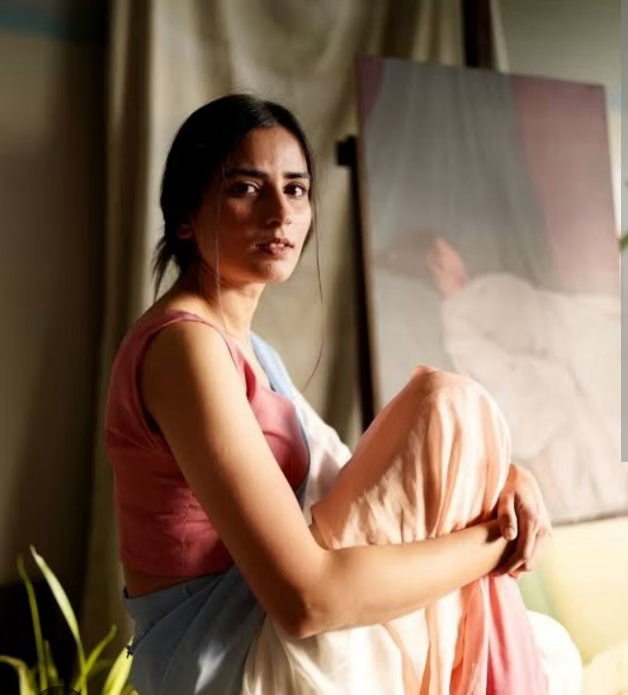
Ammama Malik
Ammama Malik is a Pakistani contemporary painter whose work explores identity, presence, and self-expression through the language of the figure. Drawing on Baroque and Renaissance traditions, she creates emotionally charged paintings distinguished by their dramatic use of light, shadow, and drapery.
Trained at the National College of Arts in Pakistan and the Florence Academy of Art in Italy, Malik's practice is grounded in classical realism while engaging with contemporary questions of femininity, agency, and representation. Her figures often exist in a space between concealment and revelation, inviting viewers to look beyond the visible and consider the complexities of identity.
In Searching, the face remains hidden, yet the figure conveys a powerful sense of presence and self-possession through gesture, posture, and fabric. What draws me to this work is its ability to challenge assumptions around concealment. Rather than presenting it as a limitation, Malik transforms it into a space for mystery, agency, and self-definition. The work invites us to reflect on the unseen aspects of ourselves that continue to shape who we are.
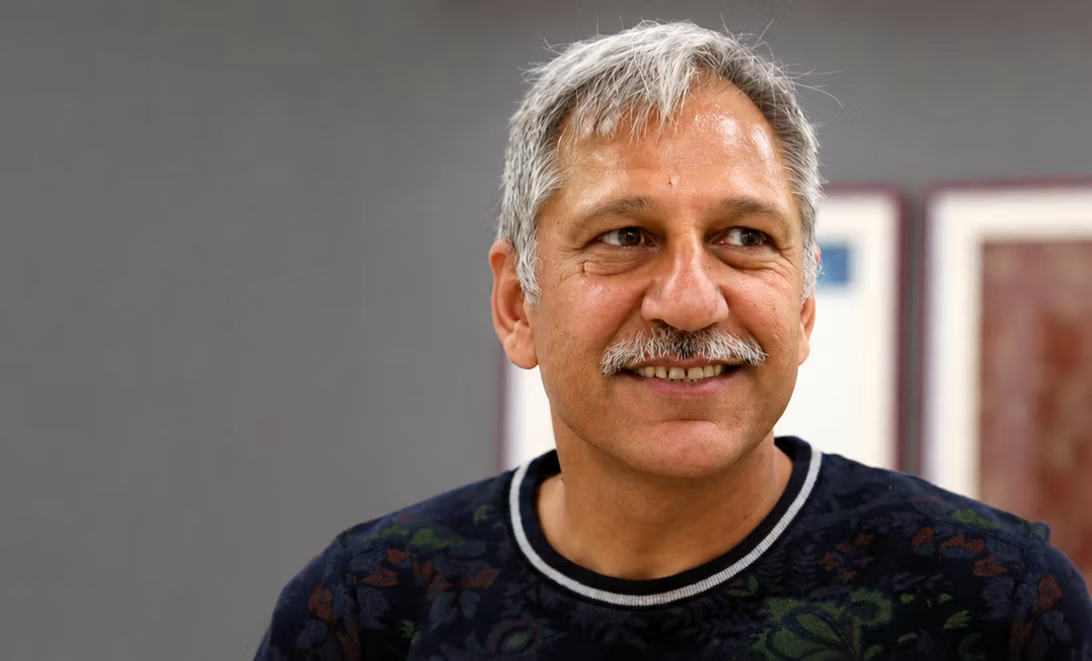
Mohsen Keiany
Mohsen Keiany is a contemporary Iranian artist whose work draws on Persian miniature traditions, poetry, and storytelling to explore the complexities of human experience.
Through richly layered compositions, Keiany creates worlds where love, memory, spirituality, and human connection exist alongside conflict, loss, and resilience. His paintings are populated by symbols, figures, animals, and landscapes that unfold through careful observation, inviting viewers to discover new narratives with each encounter.
In The Call of Love, these themes converge in a tapestry of interconnected stories that speak to both personal and collective experience. While elements of conflict and hardship are present, what remains most striking is the persistence of beauty, devotion, and hope. Keiany's work reminds us that even in moments of uncertainty, the bonds that connect us to one another, to our histories, and to our shared humanity, continue to endure.
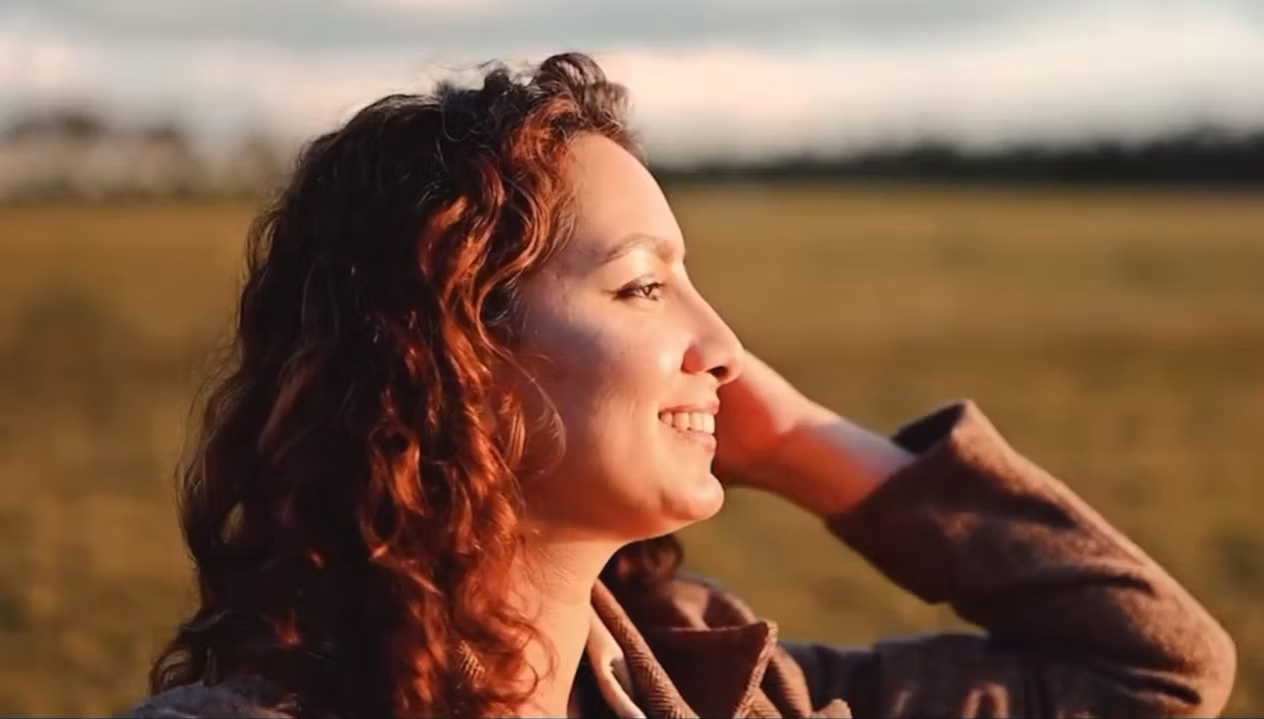
Rabia Malik
Rabia Malik is a Pakistani-born artist based in Melbourne, Australia, whose practice explores memory, identity, and belonging through richly coloured figurative paintings. Blending personal experience with elements of magical realism, her work reflects on the people, places, and emotions that continue to shape our sense of home.
Drawing from memory rather than direct observation, Rabia creates dreamlike compositions where familiar objects, figures, and landscapes become vessels for remembrance. Through colour, texture, and symbolism, she captures the emotional resonance of lived experience, inviting viewers into spaces that feel both deeply personal and universally familiar.
In Memories, ordinary objects are transformed into carriers of emotion and meaning. Suspended between reality and imagination, the work reflects on the moments, relationships, and experiences we hold onto long after they have passed. What draws me to Rabia's work is its ability to capture not the memory itself, but the feeling of carrying it with us.
Sundas Abbasi
Sundas Abbasi is a contemporary artist and textile designer based in Australia. Working across painting and surface design, her practice explores colour, memory, and emotional experience through layered compositions that move between abstraction and figuration.
Originally trained in textile design, Abbasi brings a strong sensitivity to pattern, rhythm, and materiality to her work. Drawing from personal memory, cultural inheritance, and lived experience, she creates richly symbolic visual narratives that invite reflection on the relationships between past and present, self and belonging.
In Ungrateful, Abbasi explores the tension between gratitude and desire, inheritance and independence. Through symbolic imagery and layered storytelling, the work reflects on our tendency to focus on what is absent rather than what is already present. What draws me to this piece is its emotional honesty and willingness to sit within complexity, inviting us to consider what we value, what we inherit, and what we may take for granted.
Mudassir Raza
Mudassir Raza is a Pakistani visual artist whose practice explores identity, transformation, and personal growth through sculptural forms that exist between geometry and organic movement. Working across wood, fiberglass, and digital modelling, he uses material as a way to reflect memory, experience, and change.
Beginning with assembled geometric units that are gradually carved into fluid forms, Raza's works retain traces of their original structure beneath the surface. This process reflects his interest in identity as something continually shaped by experience rather than fixed or complete.
In Plasticity, visible remnants of earlier forms remain embedded within the sculpture, revealing transformation as an accumulation rather than a departure. What draws me to this work is its understanding that growth is rarely about leaving the past behind. Instead, we carry fragments of who we were into who we become.